
Wills in Uzbekistan: How to Draft, Amend, and Revoke a Testament with a Notary
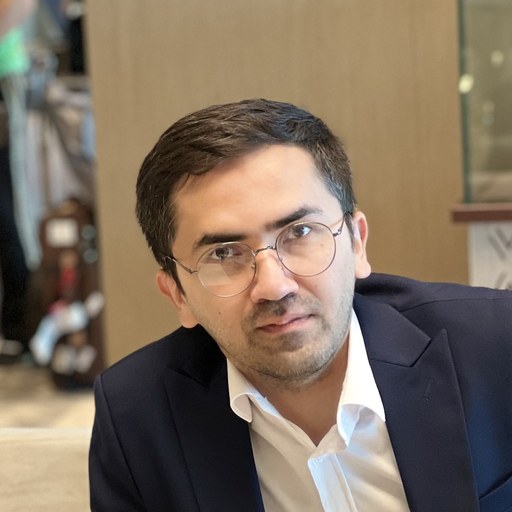
A will is one of the most important legal documents you can create — it ensures your assets are distributed according to your wishes. In this article, a practising notary in the Yunusabad district of Tashkent explains how to properly execute a will under Uzbek law, what to do when your circumstances change, and how to revoke a will if needed.
What Is a Will and Why Must It Be Notarised?
A will (testament) is a personal declaration by which an individual determines how their property will be distributed upon death. The document takes legal effect only after the testator's passing — meaning that during their lifetime, they retain full ownership and control over their assets. Notarial certification gives the will its legal force and shields it from future challenges: the notary verifies the testator's legal capacity, confirms that the declaration is made voluntarily, and registers the document in the official notarial registry.
Key points for foreign investors and property owners in Uzbekistan:
- A will must be executed personally and certified by a licensed notary to carry full legal weight.
- The testator may amend or revoke the will at any time and is not required to give reasons.
- A will does not override the statutory "compulsory share" (forced heirship) rights that certain categories of heirs hold under Uzbek law.
- One original is held by the testator; a second copy is retained in the notarial archive.
---
How to Execute a Will: Step-by-Step
By sending the request you agree to the processing of personal data (policy)
Mon–Fri 9:00–18:00 · +998 99 050 50 70
The procedure for making a will with a notary in Tashkent is straightforward, provided you come prepared. In my practice, I frequently see clients arrive without a clear inventory of their assets or without valid identification — both of which delay the process.
Step 1. Gather your documents.
The minimum requirement is a valid identity document (passport). Title deeds and other property documents are not strictly required at the drafting stage, but I strongly recommend bringing them so that each asset can be described precisely.
Step 2. Formulate your intentions clearly.
Specify who inherits which assets. The more precise your language, the less room for dispute among heirs. You may also designate a substitute beneficiary — a person who will inherit if the primary beneficiary predeceases you or disclaims the inheritance.
Step 3. Visit the notary's office.
The notary will draft the will (or review a draft you bring), read it aloud to you, verify your legal capacity and the voluntary nature of your declaration, certify the document, and enter the details into the registry.
Documents to Bring
- Testator's valid passport or other identity document
- Full details of each beneficiary (full legal name, date of birth, and identity document if available)
- Information about the assets: addresses of real property, descriptions of other assets
- Title deeds or ownership certificates (recommended)
---
Overview Table: Key Aspects of Will Execution in Uzbekistan
| Aspect | General Rule | Notes for Foreign Clients |
|---|---|---|
| Identity documents | Passport required | Foreign passports accepted; bring a notarised translation if necessary |
| Legal capacity | Verified personally by the notary | Persons with limited legal capacity are subject to a special procedure |
| Confidentiality | Notary is bound by professional secrecy | Third parties have no right to access the contents of your will |
| State duty and notarial fee | Set by Uzbek legislation | Rates are subject to periodic revision — confirm the current amount with the notary on the day of your visit |
| Storage | One copy held in the notarial archive | The testator retains the second original |
---
How to Amend a Will
Life circumstances change — children are born, new property is acquired, relationships evolve. Uzbek law expressly grants the testator the right to execute a new will at any time, which supersedes the previous one in whole or in part. My professional recommendation is not to simply append changes to an existing document, but to execute an entirely new will — this eliminates ambiguity when the document is eventually interpreted.
Important: A later-dated will takes precedence over an earlier one in all respects where the two conflict.
---
How to Revoke a Will
There are two ways to revoke a will under Uzbek law:
- Execute a new will — it automatically cancels the previous will, either entirely or in the parts where they conflict.
- File a notarised revocation order — a separate document, certified by a notary, that annuls the existing will without replacing it with a new one.
In practice, I recommend the second option when the testator is not yet ready to formulate new instructions but wants to ensure the existing will is no longer operative.
---
FAQ: Frequently Asked Questions
Can I bequeath property I do not yet own?
Yes. A will may cover any property that belongs to the testator at the time of death, including assets not yet acquired at the time the will is executed.
Do I have to inform my heirs that a will exists?
No. The confidentiality of a will is protected by law. Beneficiaries learn of its contents only after the estate is opened following the testator's death.
What is the "compulsory share" and how does it affect my will?
Certain categories of heirs — such as incapacitated close relatives — are entitled to a mandatory portion of the estate under Uzbek law, regardless of the will's contents. I recommend discussing this with your notary when drafting the document, especially if your estate plan is complex or involves foreign beneficiaries.
Can a will be declared invalid?
Yes, through court proceedings — for example, if it is proven that the testator lacked legal capacity at the time of signing or was acting under duress. Notarial certification substantially reduces this risk, as the notary's verification is documented and forms part of the official record.
How much does it cost to execute a will with a notary in Uzbekistan?
The state duty and notarial tariff are established by legislation and are periodically revised. Please confirm the current fees with the notary on the day of your appointment.
---
Conclusion
A will is not something to put off. A properly executed document spares your loved ones — and your estate — from disputes and litigation. You can draft, amend, or revoke a will at any time; in most cases, the entire procedure takes a single visit to the notary's office.
> Disclaimer: This article is provided for general informational purposes only and does not constitute legal or notarial advice. Every situation has its own specifics that affect how documents should be prepared. Please consult a qualified notary for guidance tailored to your circumstances.
If you would like to execute a will, make amendments, or seek advice on inheritance matters in Uzbekistan, you are welcome to contact the notarial office of Alisher Botirov in the Yunusabad district of Tashkent. I am happy to answer your questions and help you prepare your documents correctly.
By sending the request you agree to the processing of personal data (policy)
Mon–Fri 9:00–18:00 · +998 99 050 50 70
Let’s review your case
No chargeLeave your number – a lawyer calls back within 15 minutes during business hours and tells you what to do.
Get a consultationPractising private notary of the Yunusabad district of Tashkent. Certifies transactions, powers of attorney, inheritance and family documents under the law of the Republic of Uzbekistan.
Read also
 1 min read
How to Execute a Power of Attorney While Abroad
A practicing notary's guide: how to properly execute a power of attorney from another country through a consulate or local notary, what documents you need, and what you must know for the document to be valid in Uzbekistan.
 1 min read
Image Use Consent: When Notarization Matters
Learn when photo and video consent requires notarization, which documents to prepare, and how to protect your rights when publishing images in Uzbekistan.
 1 min read
Notarized Translation of Driver's License for Working Abroad
A comprehensive guide to notarized translation of driver's licenses and related documents for employment abroad. Learn which documents you need, the process, and important considerations when preparing to work as a driver internationally.