
Notarial Certificate of Being Alive: Why You May Need It and How to Obtain It in Tashkent
A certificate of being alive is an official notarial act confirming that a person is living as of a specific date. It is most commonly required for pension payments, maintenance (alimony) disbursements, or the fulfilment of testamentary conditions. Learn how the procedure works and what documents you will need.
What Is a Certificate of Being Alive?
A certificate of being alive (sometimes called a "proof of life" certificate) is an official notarial act in which a notary personally verifies that an individual is living and issues a corresponding document. The certificate records the exact date and place at which the person appeared before the notary, giving it full legal force for submission to government authorities, financial institutions, or any other interested party.
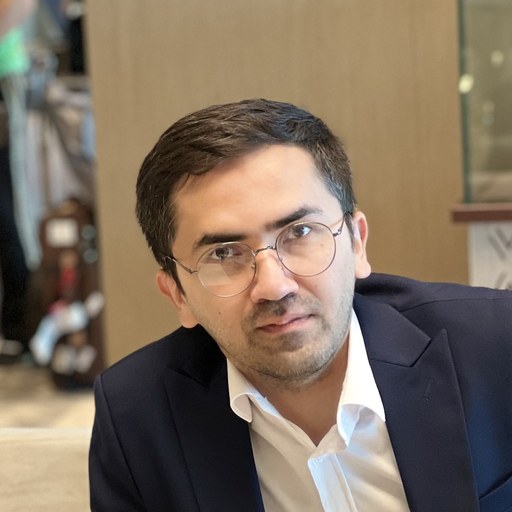
In my daily practice, I regularly see clients who need this document to confirm their existence "on paper" — particularly when the requirement arises remotely or for formal procedural reasons.
Key points to know:
- The notary certifies the fact of a living person's personal appearance only — not their state of health.
- The certificate is issued on the same day, provided all required documents are in order.
- Prior appointment is not strictly required, but I recommend confirming the office's working hours in advance.
- Fees are subject to periodic revision — please verify the current amount directly with the notary on the day of your visit.
---
When Is This Document Required?
By sending the request you agree to the processing of personal data (policy)
Mon–Fri 9:00–18:00 · +998 99 050 50 70
The most common situations in which a certificate of being alive is needed include:
- Pension or social benefit payments — pension funds and social protection authorities periodically require proof that a beneficiary is still living, especially where the recipient resides abroad or is unable to attend the relevant authority in person.
- Fulfilment of a will or contractual condition — where a right or entitlement is contingent on a person being alive on a particular date.
- Maintenance (alimony) and other periodic payments — in certain cases the paying party is entitled to request proof that the recipient is alive.
- Banking and insurance transactions — some financial products require periodic confirmation that the beneficiary is living.
- Court and administrative proceedings — where the participation of a living individual must be formally documented.
---
How the Procedure Works
The process is straightforward and takes very little time. The individual attends the notary's office in person, presents a valid identity document, and the notary — having confirmed the person's presence — drafts and signs the certificate.
One point is essential: attendance must be in person. No representative or proxy can act on your behalf here — the entire purpose of the act is that the notary sees the living individual standing before them.
If you are unable to attend the office due to health reasons, the law provides for the notary to travel to your location. Please raise this when making your appointment so we can arrange it in advance.
| Stage | What Happens | Points to Note |
|---|---|---|
| Preparation | Gather documents; confirm office hours | Ensure your passport or ID is valid |
| Attendance | Personal appearance; presentation of ID | You must attend in person — no proxies |
| Certification | Notary drafts and certifies the document | Check that your details and the date are correct |
| Collection | Certificate issued on the same day | Apostille or translation may be needed for overseas use |
---
Documents to Bring
I recommend preparing the following before your visit:
- Your passport (Republic of Uzbekistan national passport or another valid identity document).
- If the certificate is intended for a foreign institution — ask the notary in advance whether an apostille or a notarially certified translation will be required.
- Details of the requesting organisation or institution (its name and, where relevant, the precise wording of their requirement).
No additional documents are typically needed — the procedure is based entirely on your personal appearance.
---
Frequently Asked Questions
Can I send a representative to obtain the certificate on my behalf?
No. The purpose of this notarial act is the personal appearance of the individual before the notary. A power of attorney is not applicable here.
How long is the certificate valid?
There is no statutory expiry period; however, the organisation that requested the document may specify an acceptable timeframe (for example, "issued within the last 30 days"). Please confirm the requirements with the requesting party in advance.
What if I am currently outside Uzbekistan?
An equivalent act may be performed by a consular office of the Republic of Uzbekistan abroad. Please contact the relevant consulate directly for details of their procedure.
Is an apostille required for use in another country?
If the document is intended for a country that is a party to the Hague Apostille Convention, an apostille will generally be required. Confirm the requirements with the receiving party and contact the notary's office to arrange the apostille.
How much does this service cost?
The fee comprises a state duty and a charge for legal and technical services. Please verify the exact amounts with the notary on the day of your visit, as rates are subject to change.
---
Important Disclaimer
This article is provided for general informational purposes only and does not constitute individual notarial advice. The specific procedure, document requirements, and applicable fees may vary depending on the circumstances of your case.
---
Visit My Notary Office in the Yunusabad District of Tashkent
If you need to obtain a certificate of being alive — for a pension fund, a bank, a foreign institution, or any other purpose — I welcome you to my notary office in the Yunusabad district of Tashkent. I will personally conduct the procedure, answer all your questions, and help you prepare the document in accordance with the requirements of the receiving organisation. Please get in touch through any of the contact methods listed on this website.
By sending the request you agree to the processing of personal data (policy)
Mon–Fri 9:00–18:00 · +998 99 050 50 70
Let’s review your case
FreeLeave your number – a lawyer calls back within 15 minutes during business hours and tells you what to do.
Get a consultationPractising private notary of the Yunusabad district of Tashkent. Certifies transactions, powers of attorney, inheritance and family documents under the law of the Republic of Uzbekistan.
Read also
 1 min read
How to Execute a Power of Attorney While Abroad
A practicing notary's guide: how to properly execute a power of attorney from another country through a consulate or local notary, what documents you need, and what you must know for the document to be valid in Uzbekistan.
 1 min read
Image Use Consent: When Notarization Matters
Learn when photo and video consent requires notarization, which documents to prepare, and how to protect your rights when publishing images in Uzbekistan.
 1 min read
Notarized Translation of Driver's License for Working Abroad
A comprehensive guide to notarized translation of driver's licenses and related documents for employment abroad. Learn which documents you need, the process, and important considerations when preparing to work as a driver internationally.