
Certificate of Inheritance Rights in Uzbekistan: Documents, Timelines, and What Foreign Investors Should Know
A certificate of inheritance rights is the key notarial document that legally confirms your entitlement to a deceased person's estate. A practicing notary in the Yunusabad district of Tashkent explains what documents you need, how the process works, and what to watch out for when opening an inheritance case in Uzbekistan.
What Is a Certificate of Inheritance Rights and Why Does It Matter
A certificate of inheritance rights is an official notarial document confirming that an heir has legally accepted their entitlement to the estate of a deceased person. Without it, you cannot retitle real estate, a vehicle, a bank account, or any other asset into your own name. In my daily practice, I frequently see clients — including foreign nationals with property interests in Uzbekistan — who delay opening an inheritance case, not realising that this creates serious legal exposure down the line.
Key points to keep in mind:
- You must approach a notary within the statutory deadline — generally six months from the date the inheritance is opened.
- The inheritance is deemed opened on the date of the deceased's death.
- The inheritance case is handled by the notary at the location of the deceased's last registered address.
- Missing the deadline does not automatically extinguish your rights — it can be reinstated, but the process is more involved and requires additional steps.
---
Statutory Deadlines: When to Act
By sending the request you agree to the processing of personal data (policy)
Mon–Fri 9:00–18:00 · +998 99 050 50 70
One of the most common questions I hear at consultations is: *"We've missed the deadline — what now?"* My advice is always the same: do not wait. The earlier you open the inheritance case, the smoother the entire process. Uzbek law sets a general deadline for accepting an inheritance. If an heir missed it for a valid reason — illness, lack of knowledge of the death, or similar circumstances — the deadline can be reinstated either through the courts or with the written consent of the other heirs. For precise timelines and reinstatement procedures applicable to your specific situation, always verify the current rules with a notary at the time of your appointment, as procedural nuances can vary.
| Stage | What Happens | Points to Note |
|---|---|---|
| Inheritance opens | Date of the deceased's death | Secure the death certificate immediately |
| Approaching the notary | Filing the application to accept the inheritance | Statutory deadlines apply — do not delay |
| Document review | Notary requests any missing information | Prepare your full document package in advance |
| Issuance of the certificate | After the statutory waiting period expires | Registration of real-estate title is the next step |
---
Documents You Will Need to Bring
The exact document package depends on whether succession is by law (intestate) or by will, and on the type of assets involved. That said, the standard checklist is as follows:
- Death certificate of the deceased (original).
- Identity document of the heir (passport).
- Proof of kinship — birth certificate, marriage certificate, etc. — for intestate succession.
- Will (if one exists) — original or notarially certified copy.
- Title documents for the assets: real-estate ownership certificates, vehicle registration documents, agreements, savings passbooks, and so on.
- Certificate of the deceased's last registered address.
I recommend preparing copies of all documents before your appointment. During the consultation, I will confirm what additional information may be required in your particular case.
---
How the Inheritance Procedure Works
The process unfolds in several stages. First, the heir submits an application to accept the inheritance — this formally records their intention and opens the inheritance case. The notary then verifies the documents, establishes the full circle of heirs, identifies the composition of the estate, and checks for the existence or absence of a will. Once the statutory waiting period has elapsed — provided there are no disputes among heirs and all documents are in order — the notary issues the certificate of inheritance rights.
Where there are multiple heirs, each receives a certificate — either a single joint certificate specifying each heir's share, or individual certificates. In practice, most complications arise when heirs cannot agree on how to divide the estate. In such situations, the notary has no authority to resolve the dispute — that falls within the exclusive jurisdiction of the courts.
Once you have received the certificate, do not overlook the next step: registering your ownership title to any real property with the relevant state authorities. The certificate itself confirms your inheritance rights, but full legal capacity to sell, mortgage, or otherwise deal with the property requires completed state registration.
---
Frequently Asked Questions
Can I accept an inheritance without going to a notary?
You can accept an inheritance *in fact* — by taking possession of the assets, paying maintenance costs, and so on — without formal notarial involvement. However, without a certificate of inheritance rights you will be unable to legally retitle the assets in your name, which means you cannot sell, gift, or pass them on as part of your own estate in the future.
What if a will exists but its contents are unknown?
Wills in Uzbekistan are registered in the Unified Notarial Database. The notary handling your inheritance case can search this database to confirm whether a will was lodged.
Are there fees for obtaining the certificate?
Yes, the notarial act is subject to a state duty and a notarial fee. For the current applicable amounts, please verify directly with the notary at the time of your appointment, as rates are periodically revised.
What if one of the heirs objects?
Where a dispute arises among heirs, the notary suspends issuance of the certificate until the matter is resolved. Contested issues must be determined by the courts.
Can an heir renounce the inheritance?
Yes, an heir has the right to formally disclaim the inheritance. The renunciation is executed before a notary and is, as a rule, unconditional — reversing a completed disclaimer is extremely difficult.
---
Get Professional Advice
*This article is provided for general informational purposes only and does not constitute individual notarial or legal advice. Every inheritance case has its own circumstances that affect the required documents, applicable timelines, and procedural steps.*
If you need to obtain a certificate of inheritance rights in Tashkent, I am available to assist. Visit the notary's office in the Yunusabad district — we will review your situation, verify your documents, and guide you through the procedure in full compliance with the legislation of Uzbekistan.
By sending the request you agree to the processing of personal data (policy)
Mon–Fri 9:00–18:00 · +998 99 050 50 70
Never miss a deadline
199 000 UZS / 30 daysTax and reporting reminders arrive in Telegram – 3 days before and on the due date. First month free.
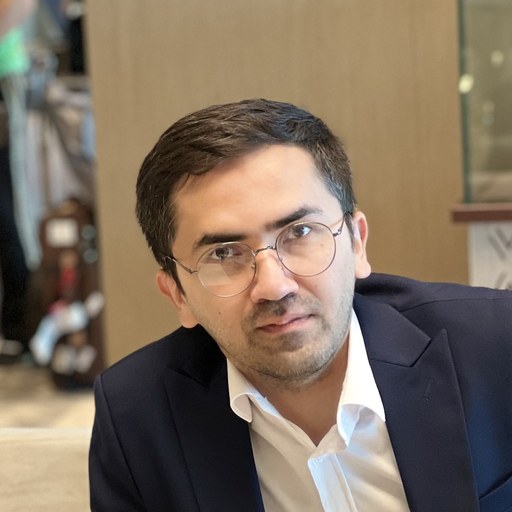
Enable autopilotPractising private notary of the Yunusabad district of Tashkent. Certifies transactions, powers of attorney, inheritance and family documents under the law of the Republic of Uzbekistan.
Read also
 1 min read
How to Execute a Power of Attorney While Abroad
A practicing notary's guide: how to properly execute a power of attorney from another country through a consulate or local notary, what documents you need, and what you must know for the document to be valid in Uzbekistan.
 1 min read
Image Use Consent: When Notarization Matters
Learn when photo and video consent requires notarization, which documents to prepare, and how to protect your rights when publishing images in Uzbekistan.
 1 min read
Notarized Translation of Driver's License for Working Abroad
A comprehensive guide to notarized translation of driver's licenses and related documents for employment abroad. Learn which documents you need, the process, and important considerations when preparing to work as a driver internationally.